
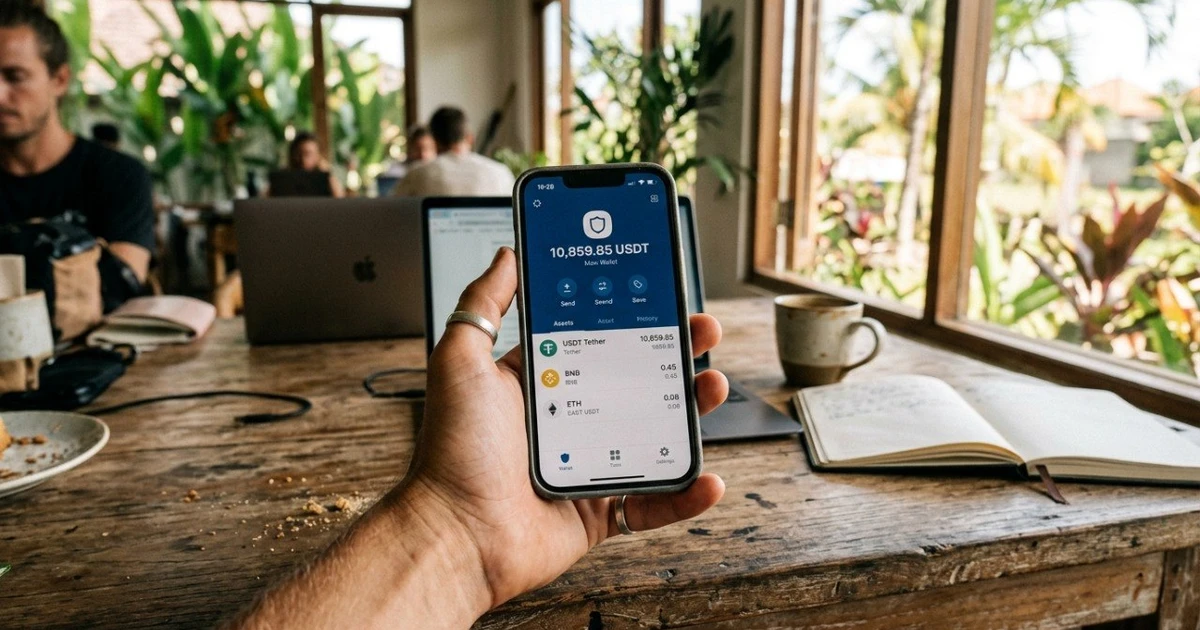
Why Digital Nomads in Bali Are Switching to USDT for Daily Expenses
Thousands of remote workers in Bali have quietly ditched traditional banking for USDT. Here's the real reason — and how the workflow actually works.
Table of Contents
The Problem with Traditional Banking in Bali
Bali has become the unofficial capital of the global digital nomad movement. With affordable living, fast Wi-Fi, and a thriving coworking scene, it's no surprise that thousands of remote workers call the island home.
But there's a quieter trend happening among the nomad community: switching from traditional banking to USDT for daily expenses.Here's why — and how it actually works in practice.
If you've ever tried to wire money to an Indonesian bank account as a foreigner, you know the pain:
High fees
International wire transfers can cost $25-50 per transaction
Slow processing
SWIFT transfers take 2-5 business days to arrive
Bad rates
Banks often offer rates 2-4% below the real market rate
Limited access
Not all ATMs accept foreign cards, and withdrawal limits apply
Account restrictions
Opening a local bank account as a foreigner is complicated
Hidden charges
Receiving banks may deduct additional fees you didn't expect
For nomads who need to regularly access their funds, these friction points add up quickly — costing time, money, and sanity.
Why USDT Makes Sense in Bali
USDT — also known as Tether— is a stablecoin pegged 1:1 to the US Dollar. Unlike volatile cryptocurrencies like Bitcoin or Ethereum, 1 USDT always equals approximately $1 USD. It's the perfect bridge between global digital finance and local cash spending.
Instant transfers
Send USDT from anywhere in the world and it arrives in minutes, not days.
Low fees
Transaction fees are typically under $1, compared to $25-50 for wire transfers.
Stable value
Unlike Bitcoin, USDT is pegged to the USD — no volatility while your money is in transit.
Universal access
As long as you have a crypto wallet, you can access your funds from anywhere — no bank required.
The key insight:USDT isn't trying to replace the banking system. It's filling a gap that traditional finance hasn't addressed for the nomad lifestyle — fast, cheap, cross-border money movement with stable value.
The Nomad Workflow: USDT to Daily Cash
Here's how experienced nomads in Bali actually use USDT day-to-day. It's a simple 4-step cycle:
Receive income in crypto
Many remote employers and freelance platforms now pay in USDT. If yours doesn't yet, you can receive payment on platforms like Deel, Bitwage, or direct wallet-to-wallet transfers.
Hold USDT in a wallet
Keep your spending money in USDT on Tron (TRC-20) for the lowest fees. Popular wallets include Trust Wallet, MetaMask, and Phantom. Your money stays digital and secure.
Convert to IDR as needed
Use an OTC cash delivery service to get physical Rupiah delivered to your location. Message on WhatsApp, confirm the rate, and an agent arrives with cash — usually within 30 minutes.
Spend locally
Use cash for warungs, motorbike rental, beach clubs, and daily expenses. Bali is still very much a cash-first economy for everyday transactions.
This workflow gives nomads the best of both worlds: global digital money for receiving payments, and local cash for daily spending in Bali.
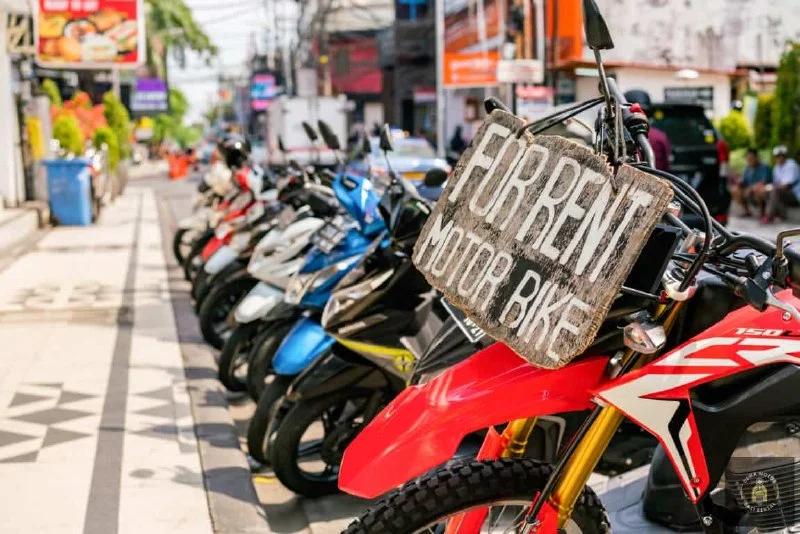
Motorbike rental is one of the most common daily expenses for nomads in Bali
How Much Can You Save?
Let's compare the costs of accessing $1,000 USD in Bali using two different methods:
Traditional Bank Wire + ATM
USDT to Cash via OTC
You save ~$69 per $1,000— that's money going straight into your Bali lifestyle.
Over a year of monthly $1,000 conversions, that's ~$828 saved just on fees.
What Nomads Are Saying
The shift to USDT isn't just theoretical. In coworking spaces and nomad communities across Canggu and Ubud, you'll hear stories like these:
"I used to lose $50 every time I transferred money from my US account. Now I just send USDT and get cash delivered to my villa. It's literally changed how I manage money abroad."
"My client pays me in USDT every month. I convert what I need each week and keep the rest in my wallet. No more waiting 3 days for a wire to clear."
"The rate I get from OTC services is better than any bank or money changer I've tried. Plus, they come to me — I don't have to hunt down a bank branch."
"I calculated it last month — I'm saving about $70 per $1,000 compared to when I used to wire money. That's an extra dinner out every week."
Getting Started: Your First USDT Exchange in Bali
Not really. If you already have USDT in a wallet (MetaMask, Trust Wallet, Phantom, etc.), you're 90% of the way there. Here's what the first exchange looks like:
Find a trusted service
Check reviews in nomad Facebook groups, Telegram communities, or Google Reviews. Look for established exchangers with transparent rates and a real physical presence.
Message on WhatsApp
Tell them the amount you want to exchange and your location. No registration or KYC required for standard amounts.
Agree on a rate
You'll receive a quote based on the live market rate. A good service will be transparent about their margin.
Meet & verify
An agent arrives at your location — hotel, villa, café, coworking space. They count the cash in front of you. Verify it's correct.
Send USDT
Only after you've confirmed the cash, send your USDT from your wallet. The agent confirms receipt on-chain. Done.
Pro tip:Do a test transaction with a smaller amount (IDR 500,000-1,000,000) before committing to a large exchange. This lets you verify the process and the service's reliability with minimal risk.
Things to Keep in Mind
Using USDT for daily expenses in Bali is practical, but here are a few important considerations:
Tax obligations
If you're staying in Bali long-term (over 183 days), you may be considered a tax resident. Consult a local accountant about your specific situation and crypto-related income.
Network choice matters
Tron (TRC-20) typically has lower fees than Ethereum (ERC-20) for USDT transfers. A $1 fee vs. $5-20 can add up over many transactions. Always confirm which network your exchange service supports.
Keep records
Track your exchanges for personal accounting and tax purposes. Save transaction hashes (TXIDs) and exchange confirmations. This helps with both personal budgeting and any tax obligations.
Diversify your holdings
Don't keep all your funds in USDT. Maintain a mix of stablecoins and have a backup plan (traditional bank account or card) in case of network issues or service downtime.
Stay informed on regulations
Indonesia's crypto regulations are evolving. Stay updated through official sources and use established, transparent exchangers to keep your own records clean.
Frequently Asked Questions
Can I live in Bali using only USDT?
You can receive and hold USDT, but for daily expenses you'll need to convert it to IDR cash, as most local businesses don't accept crypto directly. The good news is that OTC cash delivery services make this conversion fast and convenient.
Which network is best for sending USDT to Bali?
Tron (TRC-20) is the most popular choice due to low fees (usually under $1) and fast transaction times. It's the network most digital nomads in Bali use for USDT transfers.
Do I need a bank account in Bali if I use USDT?
No. OTC cash delivery services like BaliUSDT bring physical cash to your location, so a local bank account isn't necessary. This is one of the biggest advantages for nomads who don't want to deal with Indonesian banking.
How much can I save by using USDT instead of bank transfers?
Digital nomads typically save $60-70 per $1,000 when using USDT to cash delivery compared to traditional international wire transfers plus ATM withdrawals. That's roughly 7% savings.
Is it safe to use USDT in Bali?
Yes, as long as you use a trusted exchanger. Always verify the cash before sending crypto, choose a service with real reviews and a physical presence, and keep your wallet secure. BaliUSDT uses a cash-before-crypto process so you see and count the Rupiah before any USDT leaves your wallet.
How fast is USDT to cash conversion in Bali?
With OTC cash delivery services, most transactions are completed within 15-30 minutes from the time you confirm the rate. An agent arrives at your location with physical cash.
Ready to Switch to USDT in Bali?
Join thousands of digital nomads who save money and time with BaliUSDT. Cash delivered to your location anywhere in Bali — fast, safe, and at the best rates.
Start on WhatsAppOperating hours: 08:00 – 22:00 WITA, 7 days a week
Related Articles
The Complete Guide to Exchanging USDT to Cash Rupiah in Bali
Everything you need to know about converting USDT to IDR cash — rates, methods, legal info, and safety tips.
Read article